An analysis of Hofstede's Cultural Dimension
An analysis of Hofstede's Cultural Dimension

Power Distance
Canada scores 39 on this graph, indicating a society that values equality and shared power. It is often described that Canadians are straightforward communicators (Meyer, 2014), and as someone who grew up in Canada, I can confirm that Canadians tend to be polite and direct. This egalitarian approach helps maintain group harmony without relying on strict status differences.
Japan scores 54, making it a "borderline hierarchical society" (Hofstede Insights, n.d.). While not as rigidly stratified as some Asian neighbors, the hierarchy is strictly observed in business and education. The Japanese education system emphasizes that hard work and perseverance (ganbaru) can achieve anything (Dweck, 2006). I have observed this personally in Japan: workers take immense pride in their roles, and attention to detail is ubiquitous—even taxi drivers wear white gloves and hats, signaling a deep professional respect for their position.
Syria scores 80, indicating a traditional hierarchical society where authority is centralized and subordinates expect to be told what to do (Hofstede, 2011). However, this dynamic may be in flux. Syria has experienced civil war for approximately 14 years, and although the major conflict has ended, the social structure remains fragile. I believe these values may evolve, as the conflict was arguably sparked by the population's dissatisfaction with the rigid, authoritarian power structure and a desire for more agency.

Individualism vs. Collectivism
Canada scores 72, characterizing it as an individualistic society where people look after themselves and their immediate families (Hofstede Insights, n.d.). However, in my opinion, Canadians are not as individualistic as this score might imply. This may be my own bias, but I have observed very collective habits among Canadians; for example, family gatherings are frequently prioritized, suggesting a "soft individualism" where community ties remain strong.
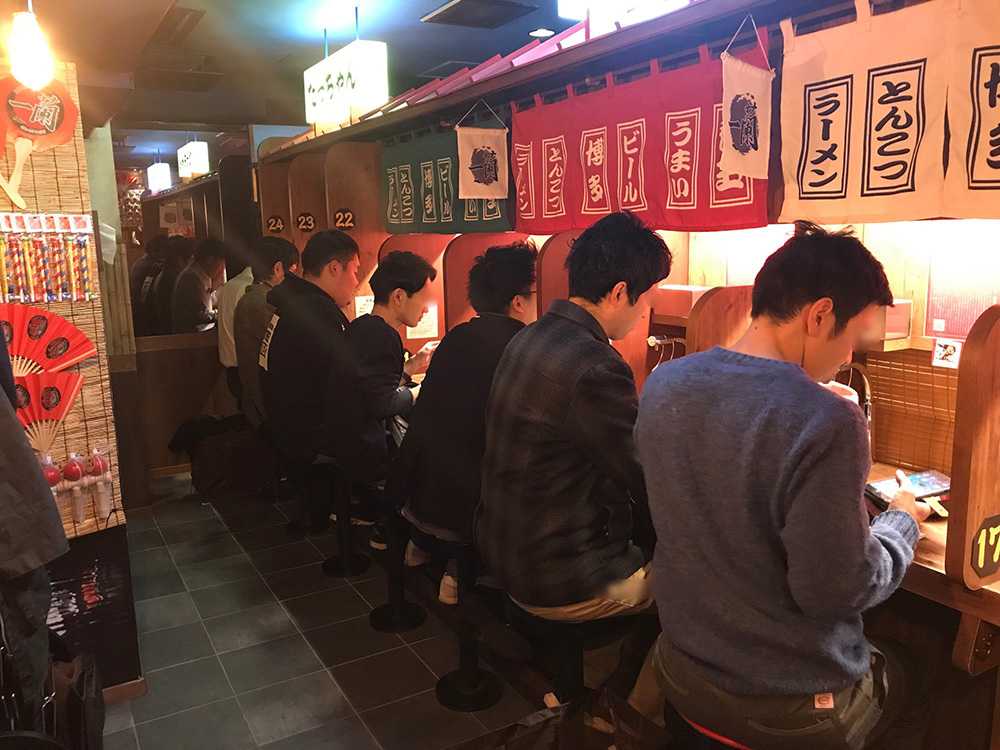
Japan scores 62 (in your dataset), which makes it appear more individualistic than its traditional reputation suggests. This aligns with modern trends in urban Japan, such as the rise of Ohitorisama (doing things alone). I have noticed this effect personally; many restaurants offer single-seating booths, catering specifically to individual diners—a concept that would be alien in highly collectivist cultures (Sugihara & Katsurada, 2002).
Syria scores 35, classifying it as a collectivist society. I strongly agree with this assessment. In collectivist cultures, loyalty to the "in-group" is paramount (Triandis, 1995). Growing up, I was taught the importance of family above all else and was instructed to always consider the group when making decisions, even those that were deeply personal.
Uncertainty Avoidance
Canada scores 48, meaning Canadians are generally "uncertainty-accepting" (Hofstede Insights, n.d.). They are comfortable with ambiguity and new ideas. This is evident in the education system: when students graduate high school, there is freedom to take a gap year or explore different programs, and changing majors carries little social stigma.
Japan scores 92, making it one of the most uncertainty-avoiding countries in the world. High uncertainty avoidance often manifests as a high level of anxiety about the future and a need for rigid structures to mitigate that anxiety (Hofstede, 2011). Although I have seen some flexibility, my general observation aligns with this score. According to Japanese friends, there is limited freedom regarding lifelong timelines; students are expected to engage in Shuukatsu (job hunting) with a clear plan immediately after high school, and deviating from this path is rare.
Syria scores 60, which is a moderately high score. I feel this might be an incorrect representation because, in my experience, Syrian people are highly adaptable. However, in cross-cultural psychology, "uncertainty avoidance" does not mean an inability to adapt to danger; rather, it often reflects a society's desire for rules and absolute truths to feel safe (Hofstede, 2011). The civil war itself may be an expression of this tension, while the people are adaptable, the fight was partially for a new system that could offer a different kind of stability and certainty.
Long-Term Orientation
Canada scores 54, placing it in the middle but leaning toward a pragmatic, long-term view. This suggests Canadians believe that truth depends on the situation, context, and time (Hofstede Insights, n.d.). I relate to this, having seen how Canadian traditions often evolve rather than stay fixed. There is a balanced focus on persevering for the future while maintaining current well-being.
Japan, with a score of 100 (according to your data), is one of the most long‑term oriented societies in the world. This dimension captures a society's focus on future rewards through persistence and thrift (Hofstede & Minkov, 2010). This is reflected in long‑term corporate investment and a focus on contributing to society rather than seeking quarterly profits. I’ve noticed this through Japan’s strong work ethic and consistent dedication to Kaizen (continuous improvement).
Syria scores 30, suggesting a normative, short‑term outlook. Societies with low scores exhibit great respect for traditions, a relatively small propensity to save for the future, and a focus on achieving quick results (Hofstede, 2011). While this matches the strong respect for cultural customs in Syrian society, I still see long‑term thinking in areas like family responsibility. However, the cultural focus often remains on honoring the past and maintaining social "face" in the present, rather than pragmatic adaptation for the future.

Indulgence
Canada scores 68, placing it in the indulgent category. This reflects a culture that values enjoying life, leisure, and personal freedom (Hofstede Insights, n.d.). This matches what I’ve seen in Canada, where many people prioritize work-life balance, make time for hobbies, and generally maintain a positive, optimistic outlook.
Japan, with a score of 42, is considered a restrained society. Restrained societies have a tendency to cynicism and pessimism, and there is less emphasis on leisure time (Hofstede, 2011). This is visible in the strong emphasis on discipline and social norms, where indulging "too much" can be seen as inappropriate or lacking in self-control.
Syria lacks a specific score in some datasets, but regional studies suggest it leans strongly toward restraint (Minkov, 2009). My experience confirms this. Growing up, I was taught that leisure is something you earn after meeting responsibilities. For example, during the school year, the focus was strictly on studying; only in summer did my family prioritize relaxation. Socially, there are clear expectations around modesty: indulging excessively is viewed as selfish. I was always reminded not to spend money unnecessarily when it could help others. These attitudes have likely been reinforced by the war; my family often reminded us that during times of suffering, careless spending feels insensitive when those resources could support people in need.

Refrences
Dweck, C. S. (2006). Mindset: The New Psychology of Success. Random House.
Hofstede, G. (2011). Dimensionalizing Cultures: The Hofstede Model in Context. Online Readings in Psychology and Culture, 2(1).
Hofstede, G., & Minkov, M. (2010). Cultures and Organizations: Software of the Mind (3rd ed.). McGraw-Hill.
Hofstede Insights. (n.d.). Country Comparison Tool. Retrieved from
Meyer, E. (2014). The Culture Map: Breaking Through the Invisible Boundaries of Global Business. PublicAffairs.
Minkov, M. (2009). Predictors of differences in subjective well-being across 97 nations. Cross-Cultural Research, 43(2), 152-179.
Sugihara, Y., & Katsurada, E. (2002). Gender role development in Japanese culture: Diminishing gender role differences in a contemporary society. Sex Roles, 47(9), 443-452.
Triandis, H. C. (1995). Individualism & Collectivism. Westview Press.
Comments
Post a Comment